

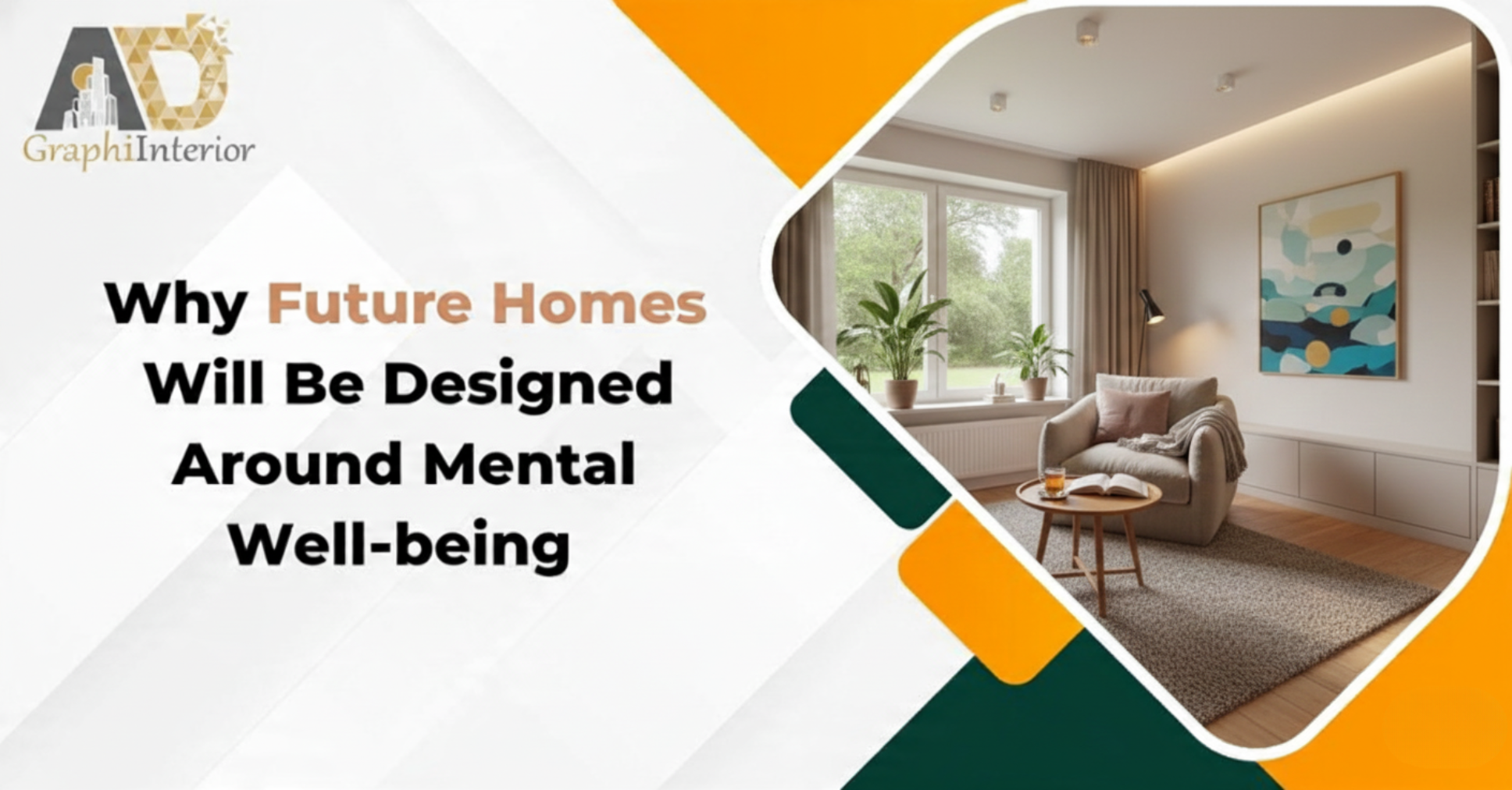
As the world becomes increasingly fast-paced, noisy, and digitally driven, people are seeking comfort and calm in one place they can control—their homes. Modern living has brought convenience, but it has also introduced stress, burnout, and emotional overload. This shift in lifestyle has sparked a new architectural movement where homes are no longer built only for aesthetics or functionality—they are being designed with mental well-being at the core. From layout choices to lighting, materials, and sensory elements, the concept of mental wellness is becoming central to the homes of the future.
Looking for awho can transform your space into a personal haven? You're not alone. With the fast-paced lifestyle of Gurgaon, your bedroom is not just where you sleep; it's the place where you rest, reset, and reconnect with yourself again. But designing a room that is stylish, soothing, and functional requires more than Pinterest boards. It takes expertise, experience, and vision.
Understanding the Deep Connection Between Living Spaces and Emotional Health
The spaces people live in quietly influence how they feel every single day. A cluttered home can cause anxiety, while natural light can instantly lift mood. Calm colors, open spaces, and breathable layouts reduce mental fatigue, whereas poorly planned interiors can make individuals feel trapped or overwhelmed. Home design significantly affects sleep patterns, productivity, relationships, and overall peace of mind. As studies increasingly highlight this relationship, the demand for psychology-driven interiors is growing rapidly. Homeowners now prioritize designs that support their emotional and psychological comfort.
How Natural Light and Openness Will Shape Future Home Layouts
As mental well-being becomes central to home design, one of the most important elements gaining focus is natural light. Sunlight regulates the human body’s internal clock, improves focus, boosts warmth, and reduces feelings of depression. Future homes will feature larger windows, open layouts, glass partitions, skylights, and indoor-outdoor integration to maximize daylight. Open spaces also reduce the feeling of confinement and create visual freedom, helping the mind to relax. The trend is moving toward layouts that balance privacy and openness without overwhelming the senses.
Incorporating Biophilic Design for Emotional Balance
Biophilic design—the practice of blending nature with interior spaces—is becoming a defining feature of future-ready homes. Humans have an inherent need to connect with nature, and modern homes are bringing nature closer through natural materials, indoor plants, green walls, water elements, and organic textures. Timber, stone, bamboo, clay, and earthy tones evoke a sense of grounding. Soft lighting that mimics natural daylight further enhances the calming effect. Future homes will incorporate nature not as a luxury but as a necessity for emotional stability, mental clarity, and reduced stress.
Color Psychology and Its Impact on Future Home Interiors
Colors have a powerful influence on mood. Future homes will increasingly use palettes that support emotional well-being. Soft blues and greens will be preferred for relaxation zones, muted neutrals will create calmness, and gentle earthy tones will build warmth and grounding. Bedrooms will avoid aggressive colors that disrupt sleep and instead embrace soothing pastels. Living rooms will use tones that encourage interaction without overstimulating. Designers will carefully plan color harmony to ensure that every room supports the mental state intended for its purpose.
Designing Homes That Support Mindful Living
As people become more aware of the importance of mindfulness, homes will evolve to support routines that promote mental clarity and emotional strength. Meditation corners, reading nooks, and quiet retreat areas are becoming standard in modern homes. Instead of filling every corner with furniture, minimalism will help create meditative spaces where the mind feels light. The growing trend is toward intentional design—spaces that encourage pausing, breathing, and reconnecting. Mindful layouts with soft lighting, calm décor, and ergonomic comfort will become essential for future homeowners.
Noise Control and Acoustics as a Mental-Wellness Priority
Noise pollution has become one of the biggest stress triggers in urban living. Future homes will integrate sound insulation, acoustic panels, soft furnishings, double-glazed windows, and peaceful zoning to protect residents from overwhelming noise. Bedrooms and work-from-home areas will receive special attention, ensuring silence and focus. Acoustic-conscious design will help create restful environments where people can sleep better, concentrate deeply, and manage daily pressures more effectively.
How Technology Will Support Mental Wellness in Tomorrow’s Homes
Technology is evolving from entertainment-driven to well-being-driven. Smart home systems will adjust lighting, temperature, and sound according to mood or time of day. Circadian lighting will mimic natural sunlight patterns to optimize sleep and energy. Air purifiers, humidity controllers, and aromatherapy devices will become part of integrated home systems. Future homes will use technology to create healthier living spaces, reducing stress triggers and enhancing comfort without demanding conscious effort from the residents.
The Rise of Multi-Sensory Homes That Improve Emotional Balance
Future homes will not just look good—they will feel good. Sensory design is becoming a key concept, focusing on touch, smell, sound, and sight. Soft textures, gentle scents, warm lighting, quiet transitions, and soothing color palettes create an environment that calms the nervous system. Designers are exploring how surfaces, fabrics, materials, and even flooring impact emotional responses. Multi-sensory interior design will become a critical part of creating homes that nurture mental well-being at every moment of the day.
Minimalism and Decluttered Living for Mental Clarity
One of the strongest trends shaping the future of home design is minimalism—not bland or empty interiors, but purposeful simplicity. Homes with too many objects, mixed patterns, and visual noise can create mental overload. Decluttered spaces encourage clarity, focus, and calmness. Storage-integrated designs, hidden cabinetry, and multifunctional furniture will help maintain organization effortlessly. Future homes will embrace “less but better,” ensuring that every element serves both aesthetic and emotional well-being.
Conclusion
The future of home interiors is moving toward human-centered and emotion-driven design. As mental health becomes an everyday conversation, homeowners are seeking spaces that make them feel safe, calm, energized, and balanced. Architects and interior designers are responding by creating homes where natural light, biophilic elements, mindful layouts, soothing colors, and sensory comfort come together with intentional planning. These future-ready homes not only enhance lifestyle but also support long-term emotional well-being. For those looking to transform their spaces with design that truly cares for the mind, Interiors By AD is helping homeowners create environments that feel peaceful, balanced, and deeply connected to well-being.