

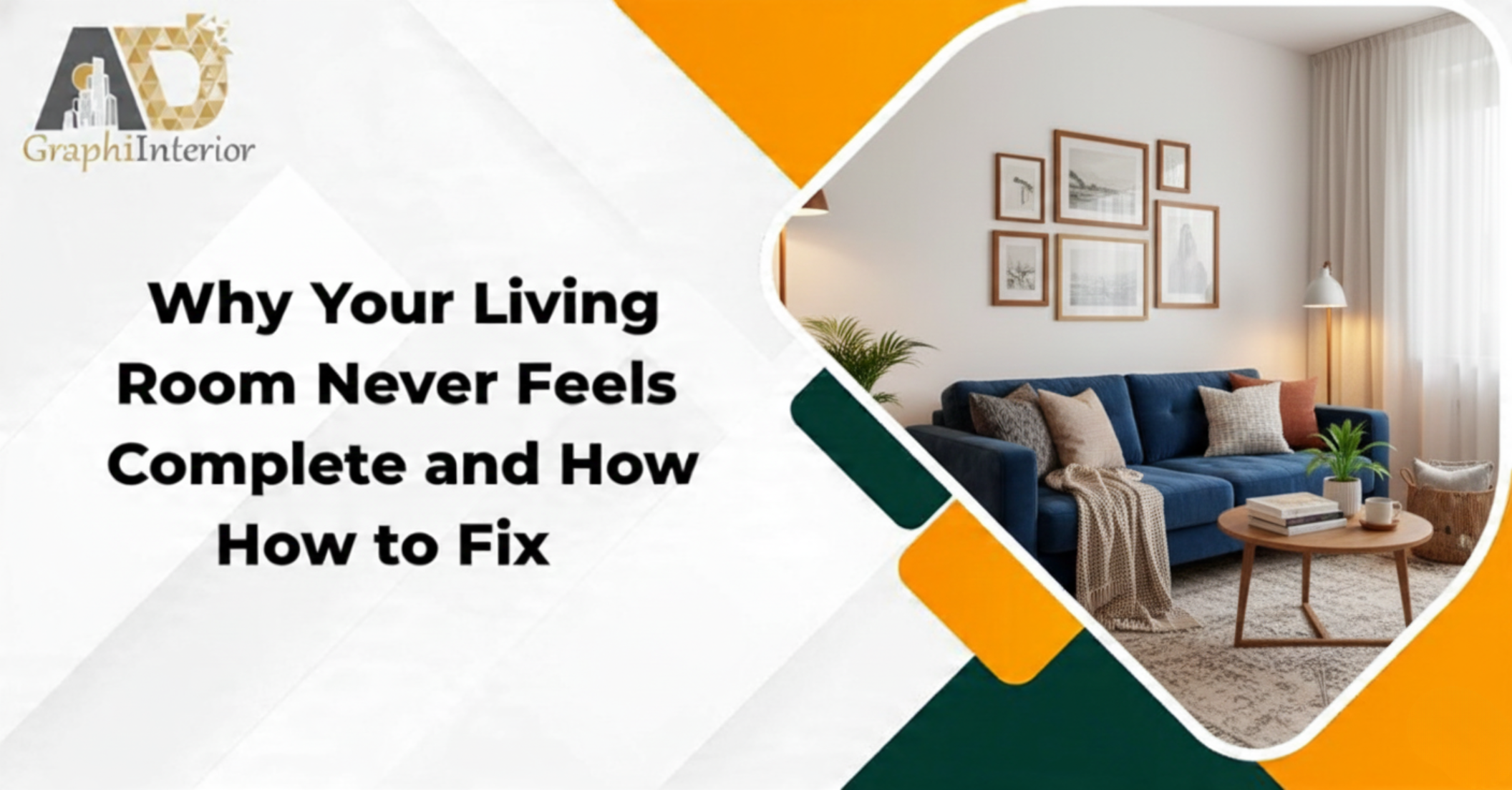
Many homeowners spend months decorating their living room, yet still feel something is missing. Even after buying stylish furniture, adding décor pieces, and arranging the layout multiple times, the space doesn’t feel “complete.” This happens because a living room is not just about furniture placement; it requires balance, cohesion, mood, and comfort.
When these elements do not align, the space feels visually disconnected. Sometimes the room looks too empty, sometimes too crowded, and sometimes the décor doesn’t reflect your lifestyle at all. Understanding these gaps is the first step toward creating a living room that finally feels well-designed and inviting.
The Role of Layout in Creating a Harmonious Living Space
One of the biggest reasons a living room feels incomplete is an improper layout. Most people place their sofa against a wall, push the TV in the opposite direction, and assume the job is done.
But layout planning requires far more attention. Without defining a focal point, the space lacks direction. If furniture does not encourage easy movement, the room immediately feels cramped. When seating doesn’t support conversation, the living room loses its sense of warmth and functionality.
A thoughtful layout creates flow, guides the eye naturally, and makes every piece feel like it belongs. Once the layout is fixed, the room begins to feel structured and far more put-together.
Why Lighting Changes Everything in the Living Room:
Lighting is one of the silent factors that determine whether a living room looks complete or not. A space with harsh white lights or insufficient illumination will feel flat and disconnected, no matter how expensive the décor is.
A complete living room uses layered lighting: warm ambient lights to set the mood, task lights to support reading or working, and accent lighting to highlight art or textures.
When these layers blend together, the room gains depth, charm, and visual cohesion. The right lighting doesn’t just brighten a room—it brings the entire design to life.
Color Palette Mistakes that Make a Living Room Feel Incomplete:
Many homeowners pick colors based on personal preference, but forget about balance. If the palette is too bold, the space feels loud but unfinished; if it’s too neutral without texture, the room looks empty. `
A complete living room usually has a cohesive palette that ties multiple elements together: furniture, wall paint, rugs, curtains, and accessories.
The moment colors clash or appear unrelated, the space feels visually broken. Choosing the right palette and repeating tones throughout the room helps create harmony and gives the space a sense of intentionality.
Why Walls Often Look Bare Even After Decorating:
A common complaint is that walls still feel blank despite hanging frames or artwork. This happens because wall styling needs proportion and composition. A single small frame on a large wall will make the space feel under-decorated.
Oversized art placed incorrectly can also disturb balance. A complete living room uses wall space strategically. This can include gallery walls, mirrors, textured panels, shelving units, or statement art.
When walls complement the furniture and lighting, they become integrated parts of the design rather than empty vertical surfaces.
The Impact of Rugs, Curtains, and Soft Furnishings:
Soft furnishings are often underestimated, yet they play a major role in making a living room feel complete. A space without a rug will look disconnected because the floor lacks definition.
Similarly, curtains that are too short or outdated can break the visual appeal of the room. Throw cushions without coordination make the sofa look cluttered rather than stylish. Soft furnishings bring warmth, connection, and personality.
They visually anchor the seating area, add depth through texture, and introduce patterns that elevate the room from ordinary to curated.
When Furniture Doesn’t Match Your Lifestyle:
Sometimes the feeling of incompleteness comes not from design mistakes but from the wrong furniture choices. A family that loves hosting guests might feel their living room is incomplete if there isn’t enough seating.
Someone who enjoys reading may find the space lacking due to the absence of a cozy corner or proper lighting. A minimalist might get overwhelmed by too many décor pieces, while a décor enthusiast may feel the room lacks energy if it’s too bare.
A complete living room aligns with how you live, not just how it looks.
Missing Personal Touches Make the Living Room Feel Lifeless:
A technically perfect living room can still feel incomplete if it lacks personal elements. Interiors should reflect the people who live in them.
Family photos, travel souvenirs, meaningful artwork, and personal collections make the space feel truly yours. Without such elements, the living room may look magazine-worthy but emotionally empty.
Adding personal touches creates a sense of belonging and makes the room warm, comforting, and alive.
The Importance of Consistency in Design Style:
Another reason a living room feels incomplete is the mixing of too many styles without a clear design direction. A modern sofa combined with a traditional coffee table, bohemian curtains, and industrial lighting may create visual confusion.
A complete living room follows a consistent style—be it modern, contemporary, Scandinavian, minimalist, or transitional. Once the design language is clear, every element blends effortlessly, making the space feel finished and visually pleasing.
How to Finally Make Your Living Room Feel Complete:
Completing a living room is not about adding more things but about choosing the right ones. Start by defining your focal point and adjusting the layout around it. Work on layered lighting that sets the tone for the entire room.
Refresh your color palette to create harmony across furniture and décor. Use rugs, curtains, art, and textures to add warmth and depth. Prioritize functionality based on your lifestyle and personalize the space so it reflects who you are.
When all these aspects come together, your living room gains that “finally complete” feeling you’ve been missing.
Conclusion:
A living room feels complete only when its layout, lighting, colors, furniture, personality, and purpose come together in harmony. If even one of these elements is off-balance, the entire space feels unfinished.
For homeowners who want a living room that looks elegant, inviting, and thoughtfully designed, professional guidance makes a significant difference. Expert designers understand how to blend aesthetics, comfort, and practicality into one seamless space.
If you want your living room to feel truly complete and beautifully aligned with your lifestyle, working with a design team like Interiors By AD can help you achieve that long-awaited transformation.